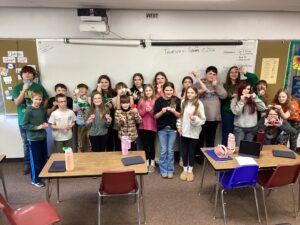
When students walked into Tiffanie Gray’s classroom carrying 3D-printed fidget toys, she asked a simple question: “Did you design that yourself?” Most of them hadn’t. Many didn’t even realize they could.
That realization sparked something much bigger than a lesson on 3D printing. As Tiffanie puts it, “I want them to be creators. To see a problem and know they can solve it, or to see an idea come to life.” It became the foundation for a program designed not just to teach technology, but to build confidence, creativity, and real-world problem-solving skills.
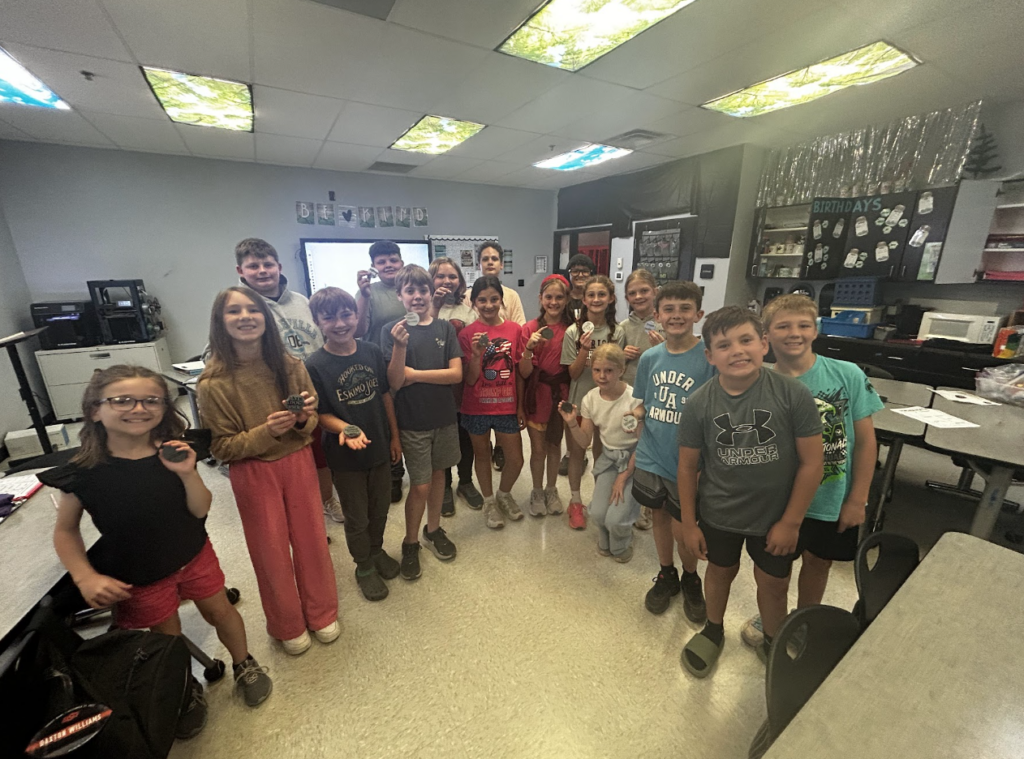
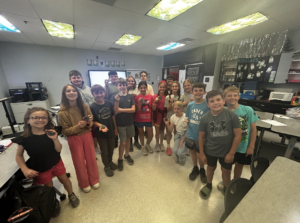
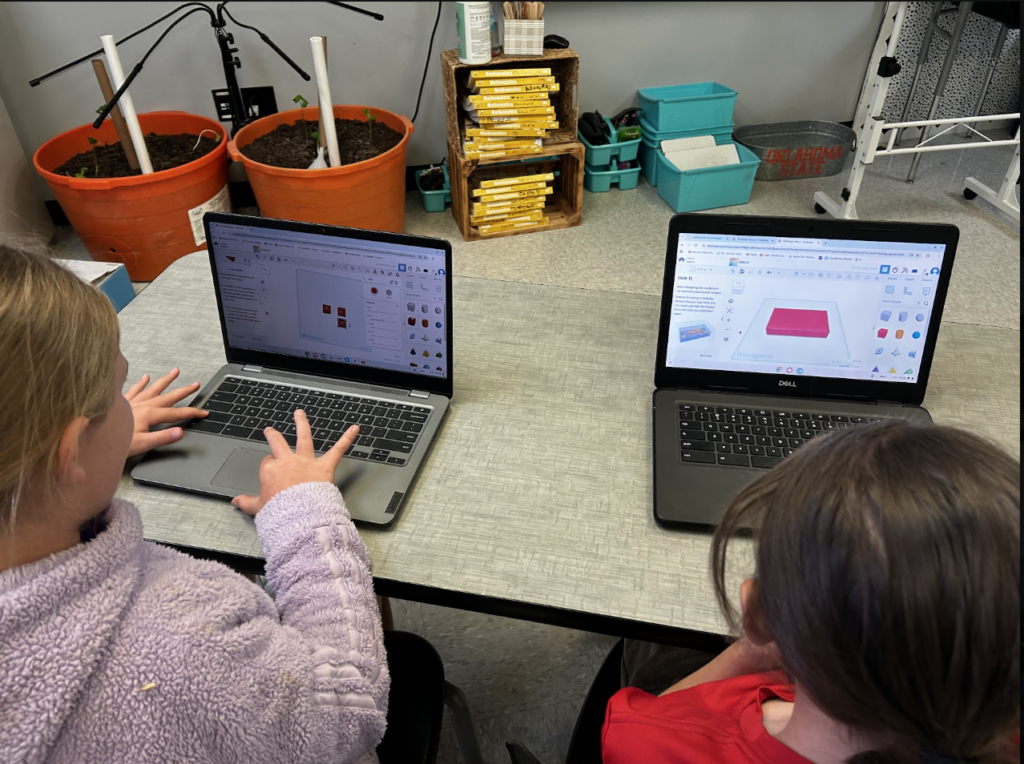
With Tiffanie’s Flashforge 3D printers, that vision is already taking shape. When the printers arrived just before state testing, Tiffanie used the time to introduce approximately 100 fourth and fifth grade students to TinkerCad, teaching them that even the most complex objects begin with simple shapes.
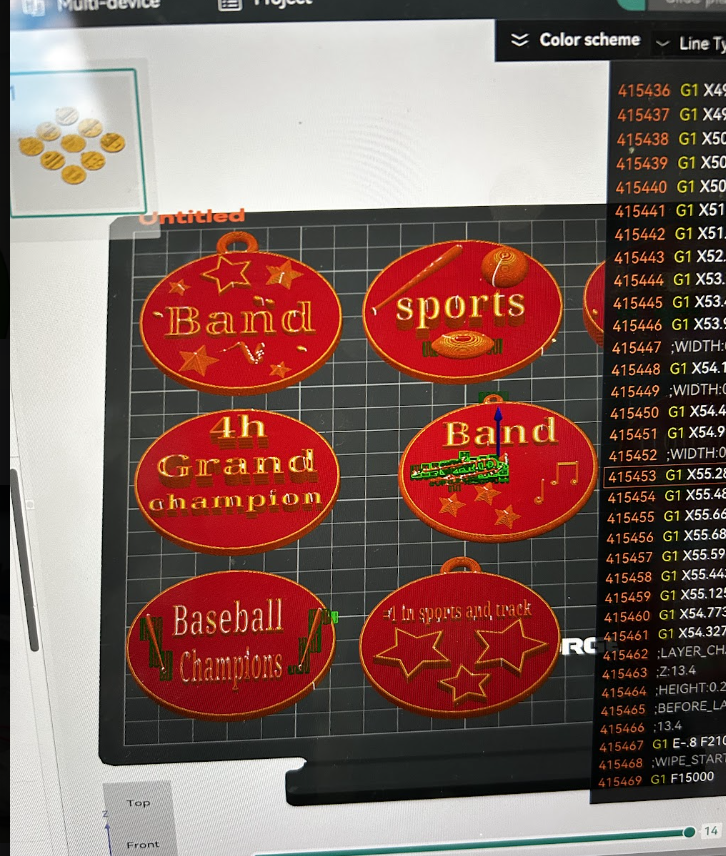
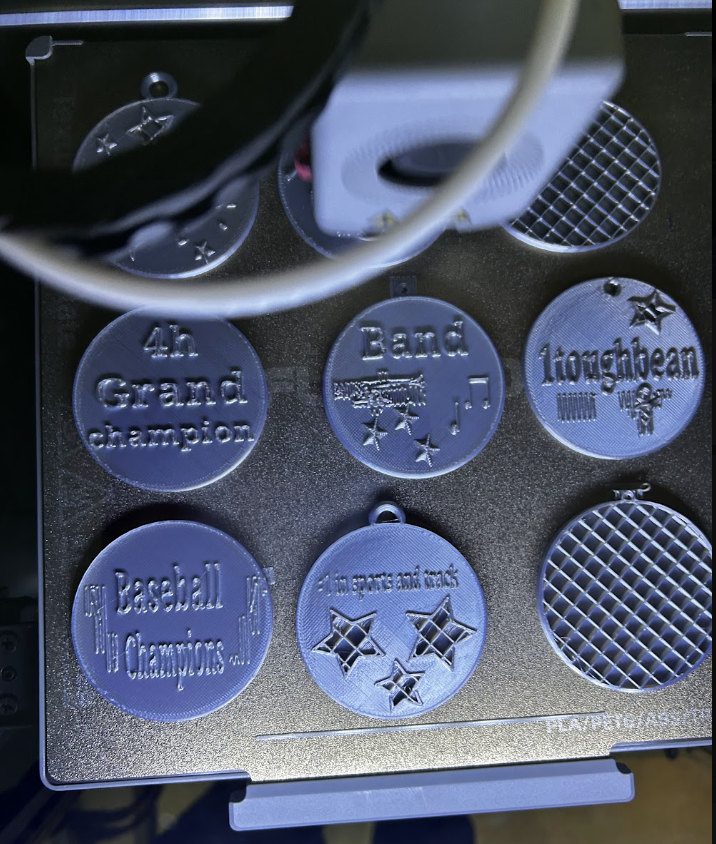
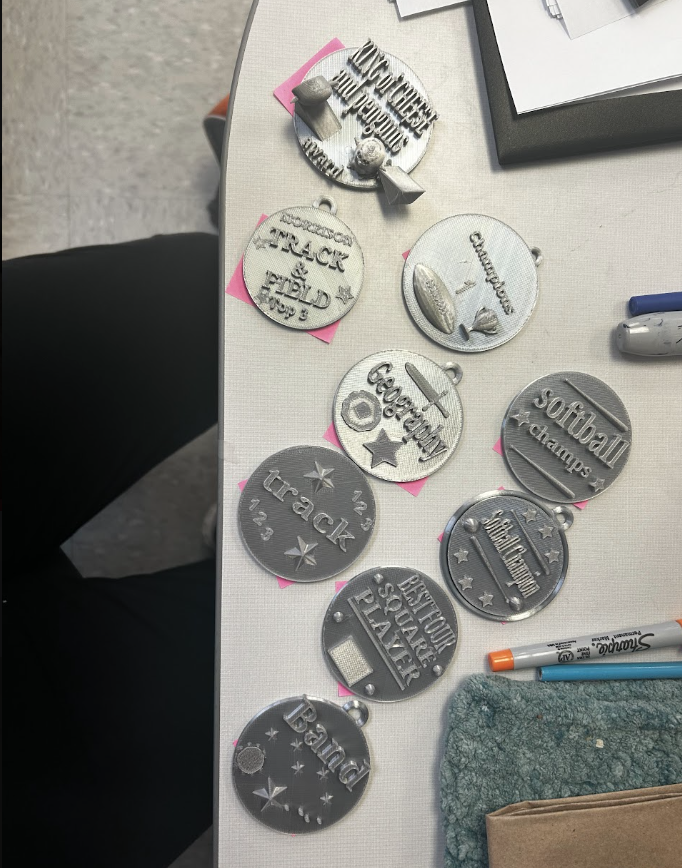
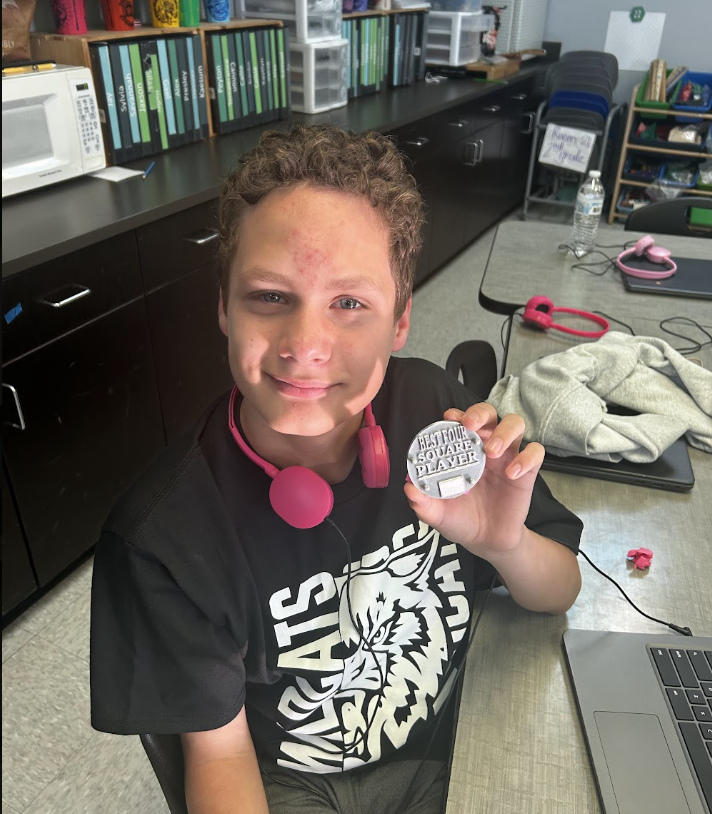
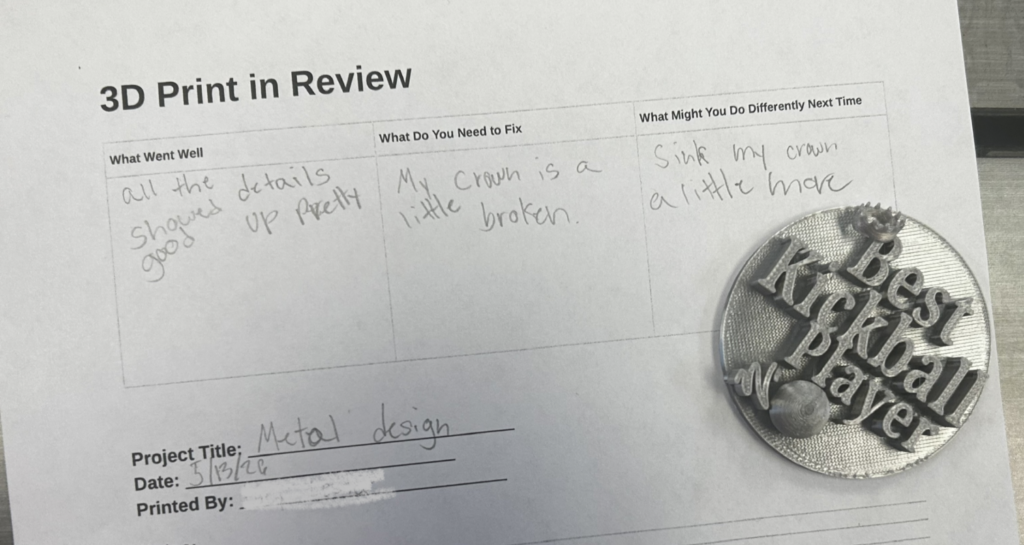
After completing the tutorials, students were challenged to design a medal based on something they loved. The results reflected everything from band and sports to crochet, origami, and farming. Many eagerly returned during their lunch breaks to refine their designs, scale them to certain dimensions, troubleshoot issues, and send their creations to the printers. Once students had their prints, they reflected on what went well, what didn’t, and what they would change the next time around.
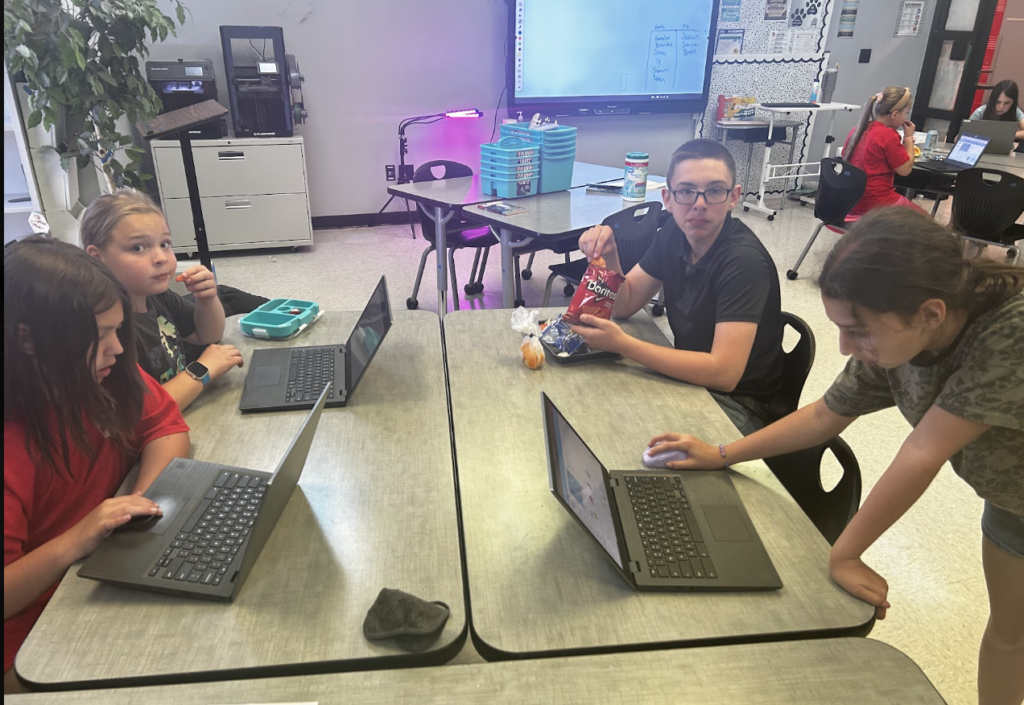
The lunchtime format was intentional. Tiffanie didn’t want students to have to choose between STEM and music or another elective they enjoyed, so she worked with her principal to create an opportunity that fit into the school day without forcing students to give something up.
Her projects are just as thoughtfully designed. She starts by asking how an activity can be differentiated so every student experiences success while still being challenged. Then she looks for opportunities to reinforce concepts like geometry, measurement, area, and perimeter through authentic design work. Finally, she asks an even bigger question: how can students create something useful that benefits someone else?
In future projects, students won’t just design for themselves. They’ll brainstorm real needs around the school, talk with teachers and staff, get feedback, and customize their creations for actual users. It’s engineering, math, creativity, and empathy all working together.
Tiffanie has advice for other educators who may feel intimidated by new technology. “You do not have to be an expert on the technology for it to be useful,” she says. Learn the basics, get students started, and then be willing to learn alongside them.
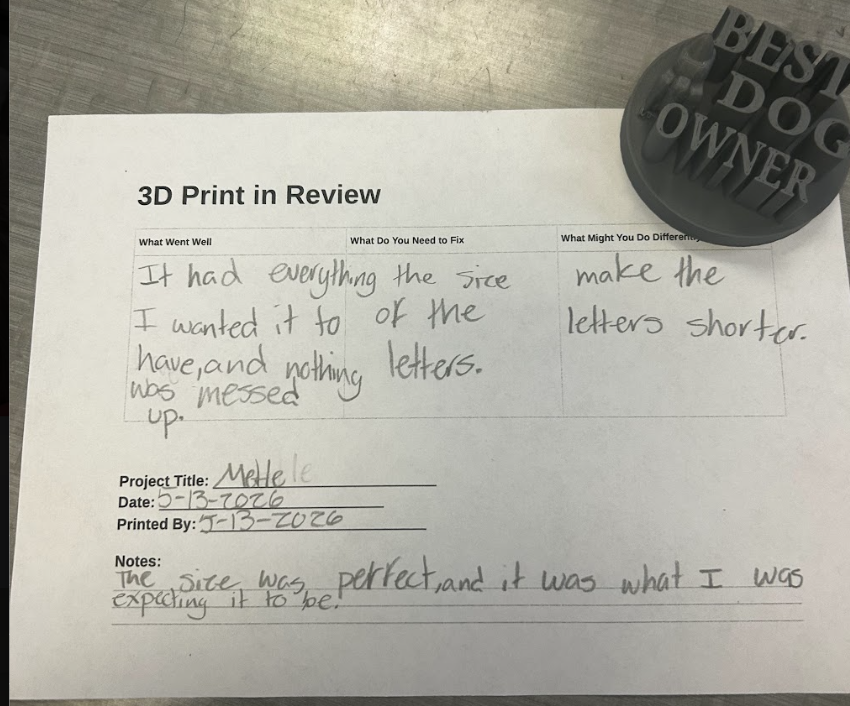
She also reminds herself, and her students, that perfection isn’t the goal. “The goal is not the perfect product—it’s all the imperfections along the way that caused us to learn and grow and adjust.”
In a classroom where questions are just as valuable as answers and revisions are celebrated instead of feared, students are learning more than how to operate a 3D printer. They’re learning that their ideas have value, that they can solve problems, and that they have the power to create something new.
Stay up to date with our quarterly newsletter here!