What happens when you give high school students access to high-altitude balloons and the freedom to investigate their own questions? You get Hanover High School High Altitude Balloon Experiments & Technology, or HHS-HABET, in Hanover, NH.
What was originally meant to be a short-term NASA eclipse project quickly turned into something way bigger—a thriving, student-driven engineering lab. Just this past summer, four high schoolers took their experiments to the global stage, traveling all the way to Iceland to launch balloons high into the stratosphere during the August 12 total solar eclipse.
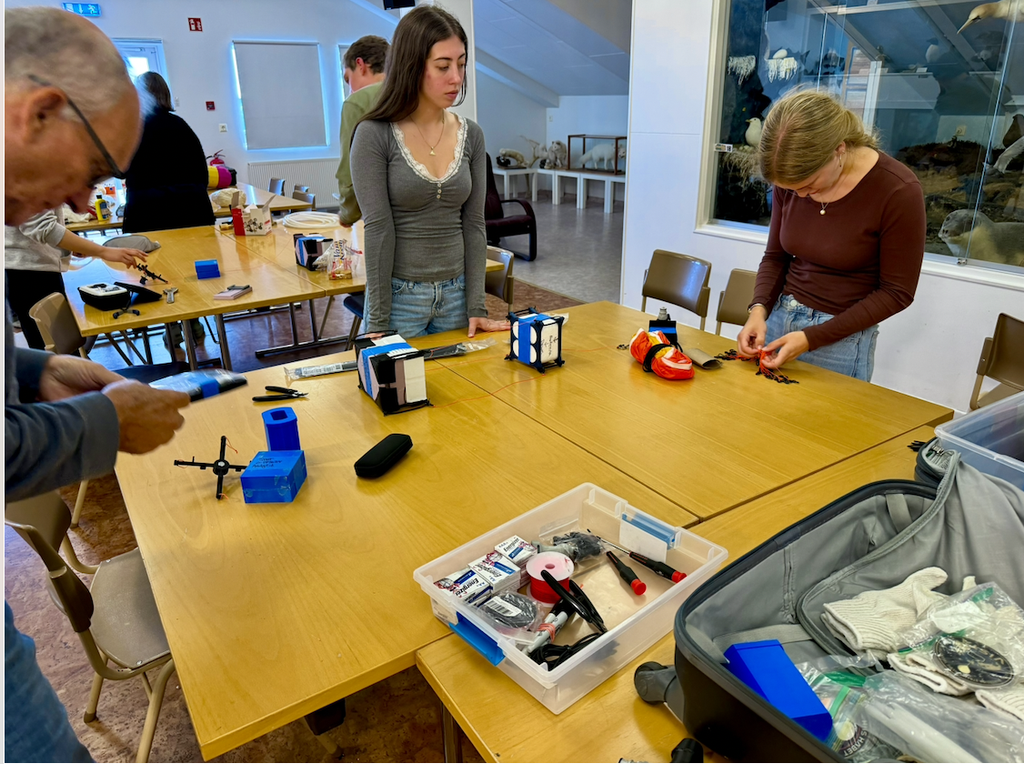
When HABET launched in 2022, it was intended as an exciting engineering project around the 2023 annular and 2024 total solar eclipses. But once the eclipse campaigns wrapped up, the students weren’t ready to stop, and educator Kevin Lavigne was ready to take them further. They had developed equipment, mastered satellite tracking, and, most importantly, formulated questions they wanted to investigate more.
Today, HABET operates like an ongoing scientific research lab. Students design payloads, run radiation and magnetometer experiments, analyze atmospheric data, and collaborate with university researchers, including Dr. Ulrike Wegst at Northeastern University.
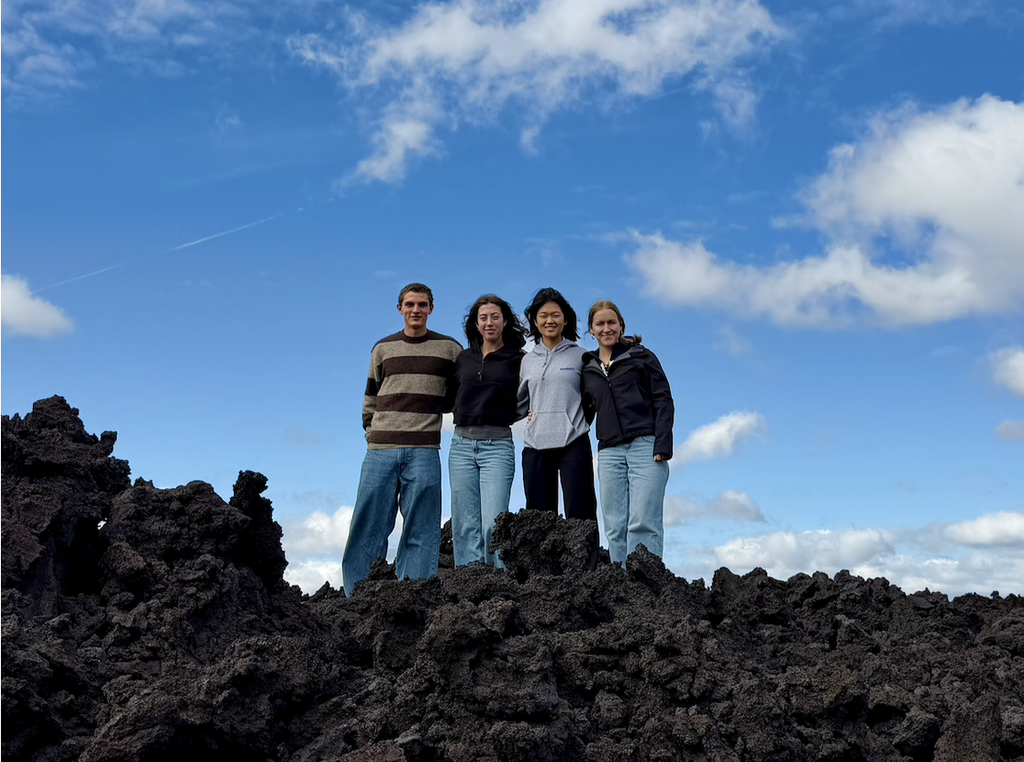
“One of the things I enjoy most about HABET is that I don’t necessarily know the answers to many of the questions we are investigating. The students and I have to figure them out together. That makes HABET very different from a traditional classroom experience.”
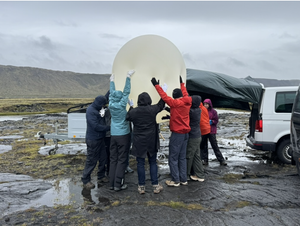
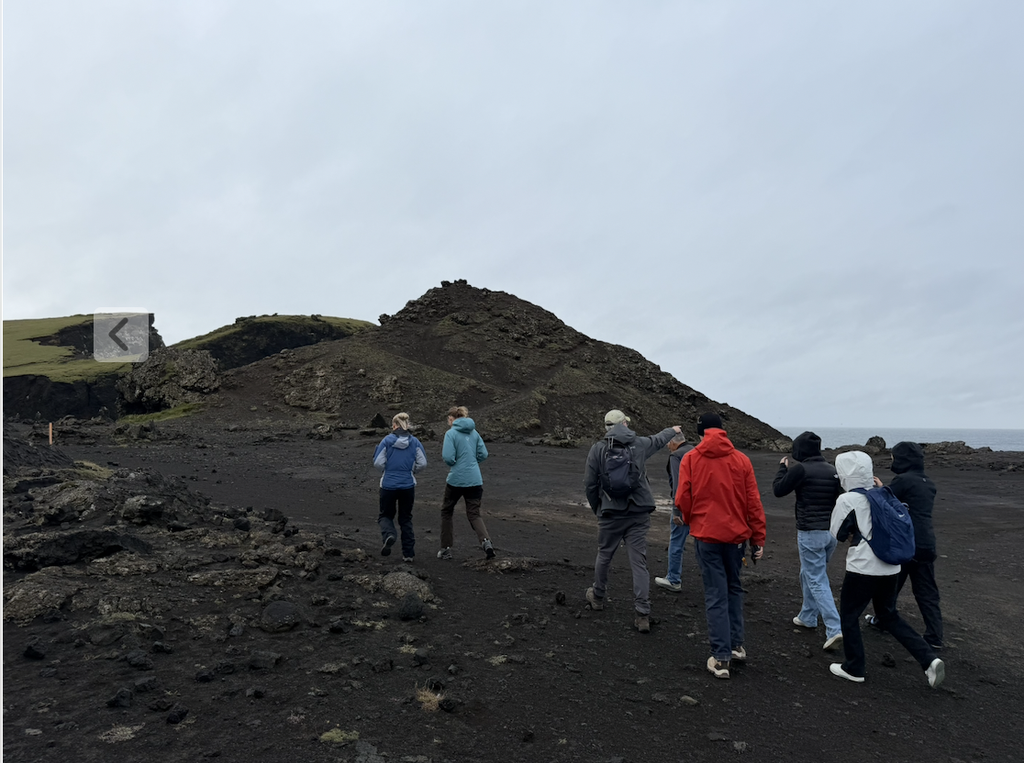
This past summer, HABET expanded internationally through a connection Kevin had with GeoCamp Iceland, collaborating with Ólafur Jón Arnbjörnsson and Arnbjörn Ólafsson. Following rigorous New England test flights, including a July 7 launch that reached 67,700 feet, the team brought four Hanover High School students to the Reykjanes Peninsula in Iceland. Kevin reflected, “we worked together through the logistics of bringing the Hanover HABET team to Iceland, transporting our equipment, securing hydrogen, identifying launch and recovery locations, navigating aviation requirements, and ultimately launching two high-altitude balloons during the August 12 total solar eclipse.”
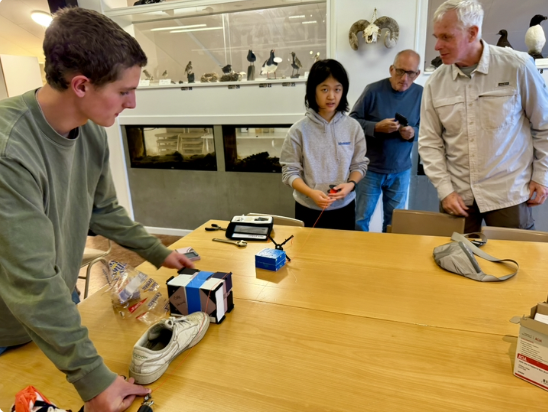
The mission was a true field-engineering challenge. Working alongside Icelandic collaborators, students handled hydrogen gas setups, navigated unfamiliar European equipment, and persevered through strong winds and rain to launch and recover their payloads.
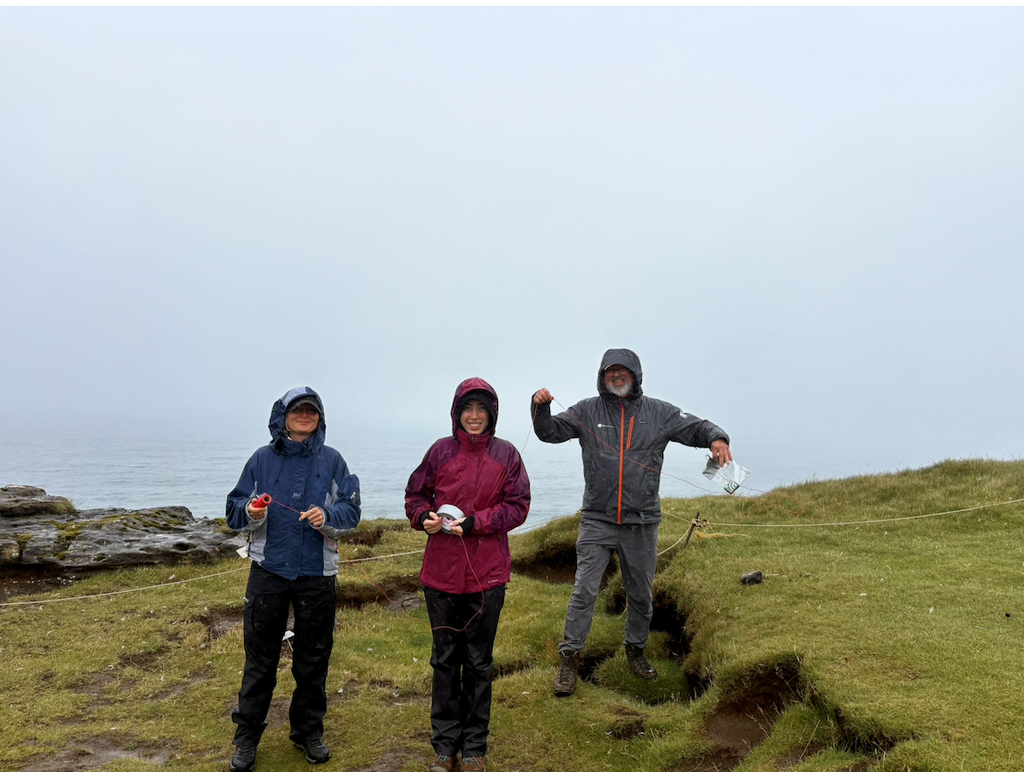
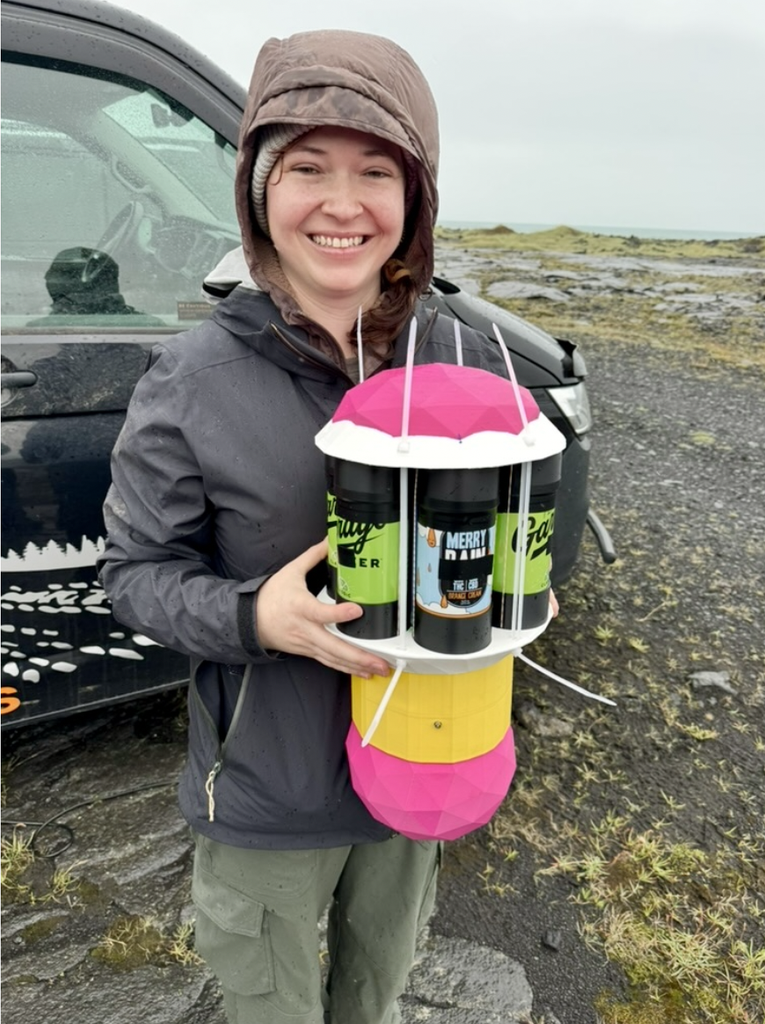
“Even when things did not go exactly according to plan, the students were able to see firsthand that engineering and field science are iterative processes in which unexpected results can be just as valuable as successful ones.”
Launching balloons during an eclipse was only step one. Kevin’s long-term vision is to create an ongoing international research exchange.
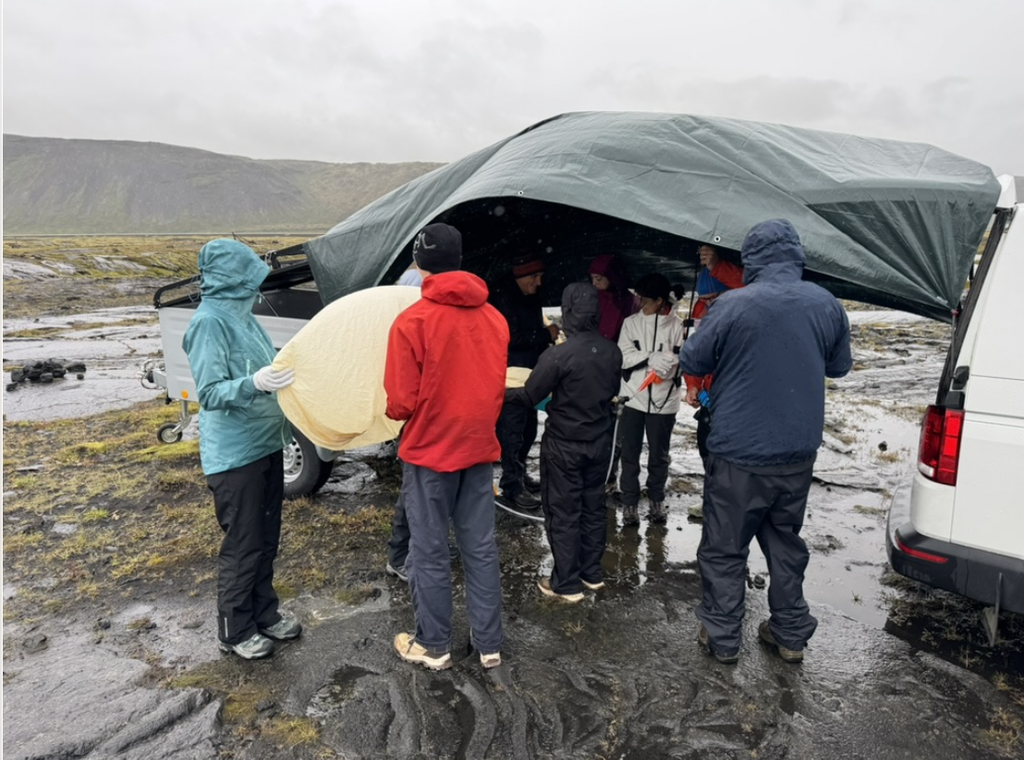
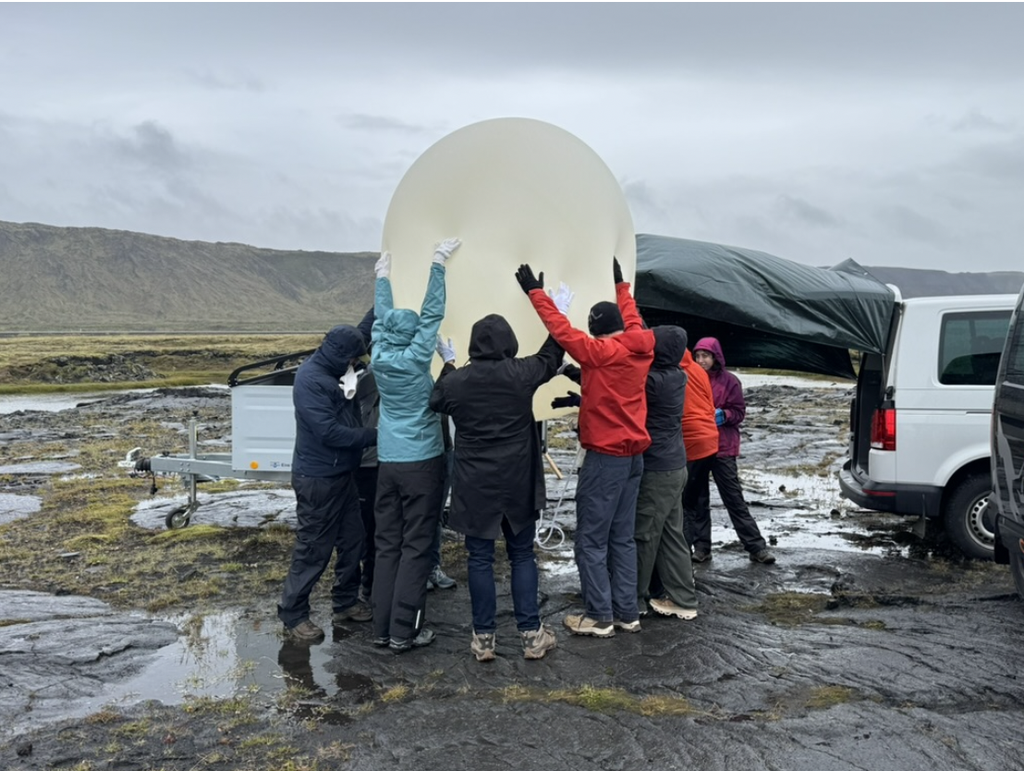
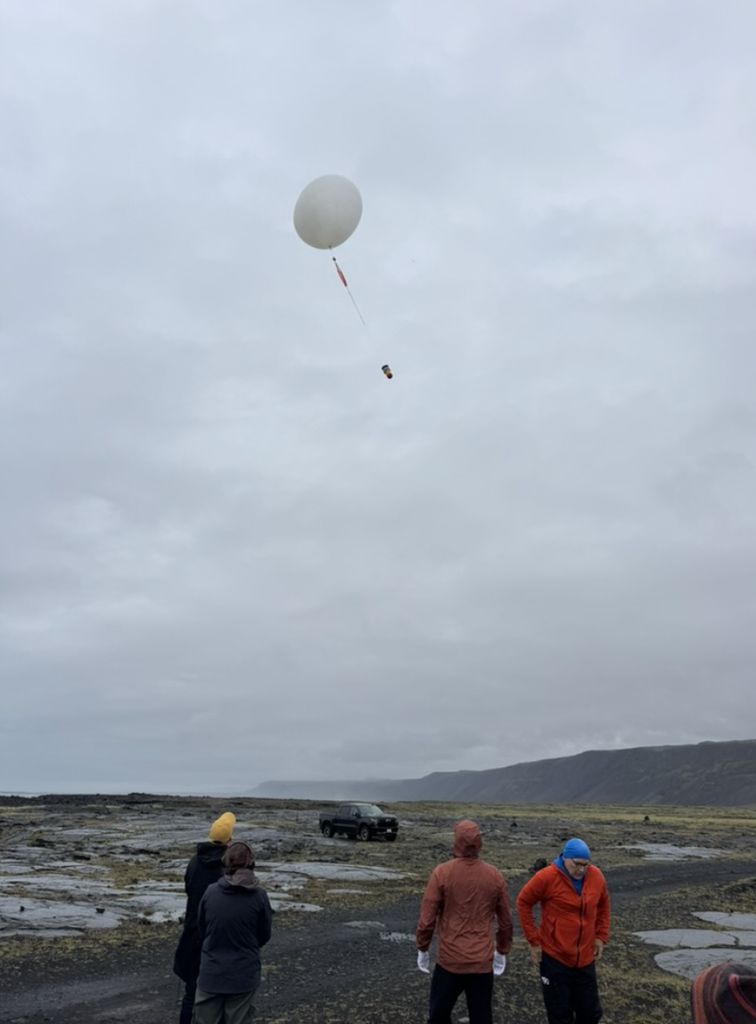
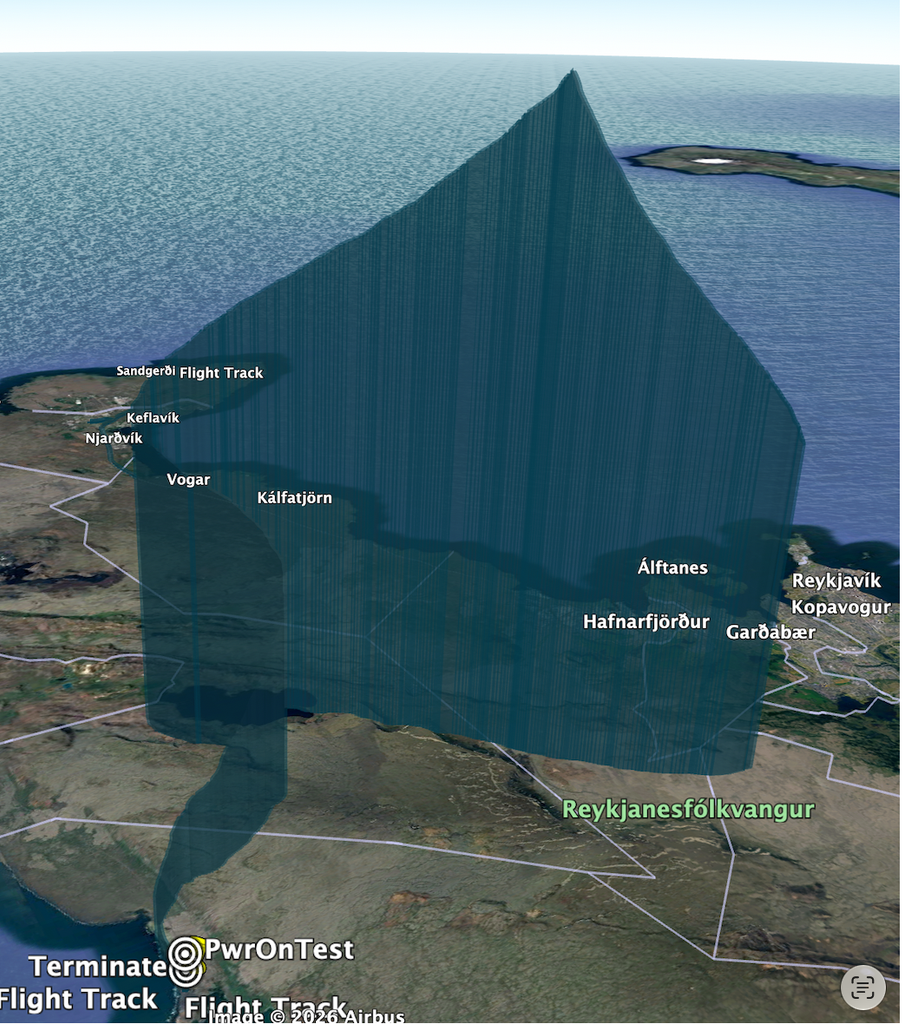
The HABET team plans to return to Iceland in future summers to provide hands-on professional development for Icelandic teachers and students. The ultimate goal is for student teams in Iceland, and eventually Greenland and Denmark, to fly identical scientific payloads simultaneously, share datasets, and co-present their research at professional scientific meetings.
For teachers interested in starting a similar program, Kevin’s main advice was: start small, and don’t wait until you think you know everything.
He also shared the following:
- You don’t need an international flight to start. One balloon, a reliable tracking system, a camera, and a simple sensor are enough to spark student interest.
- When an instrument doesn’t collect the expected data, reframe the setback into a learning moment: “Why did that happen, and what are we going to change before the next flight?”
- Success relies on building a strong network of partners, universities, parents, and organizations, which helped put real technology directly into students’ hands.
As the new school year begins, HABET students are continuing fall launches, testing new materials, and focusing on repeatable experimental design: flying a payload, analyzing results, modifying the build, and flying again. Kevin wrote, “Ultimately, I would like HABET to become a platform where a student with an interesting scientific or engineering question can walk in and say, ‘Could we fly this?’ Then our job becomes helping them figure out how to do it.”
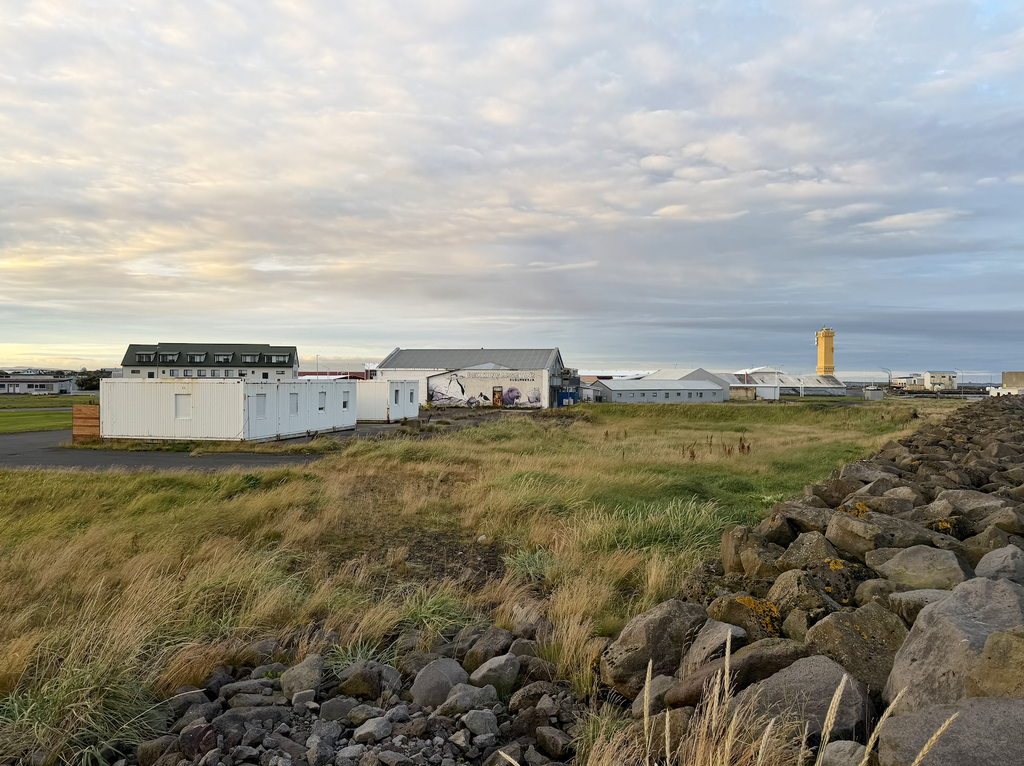
We are so thrilled to be involved with Hanover’s HABET program, and cannot wait to see what Kevin’s students do next!
Stay up to date with our quarterly newsletter here!